Following 3 years of study, I finally graduated in BSc. Psychology this summer and you can see highlights from my graduation below.
However, this is just the first step towards becoming a psychologist here in the UK.
What now is the next step in my journey towards becoming a qualified psychologist?
There are many psychology trajectories such as Forensic Psychologist, Counseling Psychologist, Clinical Psychologist, Educational Psychologist and so on.
When I started my degree, my goal was to become a therapist or counseling psychologist, but after my 1st year of my undergrad study, becoming a Clinical Psychologist appealed much more to me.
Additionally. I started working during my studies in two different sectors: I started volunteering for Headway, a national brain injury organisation, and working as teaching assistant for special needs and disabled children in special needs schools.
This varied work experience was very useful as it helped me realise that as much as i loved working with the kiddies, I didn’t want to do so in educational setting, and this ruled out the Educational Psychology pathway.
Working with the adult population with various types of brain dysfunction or injuries got me more interested in the clinical and neuroscience aspects of psychology, and by the middle of my 2nd year at uni, when our modules became more neuroscience-heavy, my decision to follow a Clinical psychology pathway became more solidified.
Changing direction like this during your studies is quite common when studying broad subjects like psychology or even medicine. So do not beat yourself up too much if this happens to you. I have seen medical students who start off wanting to specialise in opthamology, but decide to veer into, say, paediatrics instead. By the end of your undergraduate study, you will have a strong sense of where your calling lies.
So now I decided that I wanted to be a Clinical Psychologist, and later specialise in neuropsychology, I knew that in addition to having a decent amount of relevant work experience, I would need to get on to the doctorate of clinical psychology course. It is extremely competitive to get on the course, so having a good grade in your degree as well as paid work experience will increase your chances of success.
Luckily, I do have a good degree classification, as I got a First Class Honours in my BSc. Psychology. Unfortunately, I do not believe that I have adequate paid relevant work experience if I were to apply this year. Paid NHS work experience is generally preferred in application to the doctorate.
So far, my relevant work experience has mainly been volunteer work – at Headway, then I started volunteering for Shout UK early this year. The only paid relevant work experience I have is working as a special needs teaching assistant, and although I got my first NHS role last year in Liaison Psychiatry of a mental health unit, it is a volunteer role.
The most coveted role to get on to the Clinical Psychology doctorate is the role of a NHS Assistant Psychologist, but these roles are not open to anyone until after graduating in that first degree – your BSc. Even if I got an AP role in September of this year, right after graduation, it still wouldn’t have been long enough for me to successfully apply for the doctorate this year.
So, I made the decision earlier this year to go for a Masters degree after getting my BSc. which would hopefully give me an advantage when applying later for the doctorate and also give me some time to build up relevant and paid NHS work experience. I decided to go for a Neuroscience Masters degree, preferably with a Clinical aspect, so that, now I have a good foundation in psychology, I can also develop a good foundation in the clinical aspect of Neuroscience, which would be useful for me attaining my long-term goal of becoming a Clinical Neuropsychologist.
I live close to London, and after much research, I chose two universities to study a Masters in Clinical Neuroscience – Kings College London and University College London.
To my surprise and joy, both of these Russell Group, UK top-10 universities offered me a place, but I settled on UCL due to its high standards, its ranking as a top-10 UK university and top-10 global ranking, and also global reputation for excellence in research.
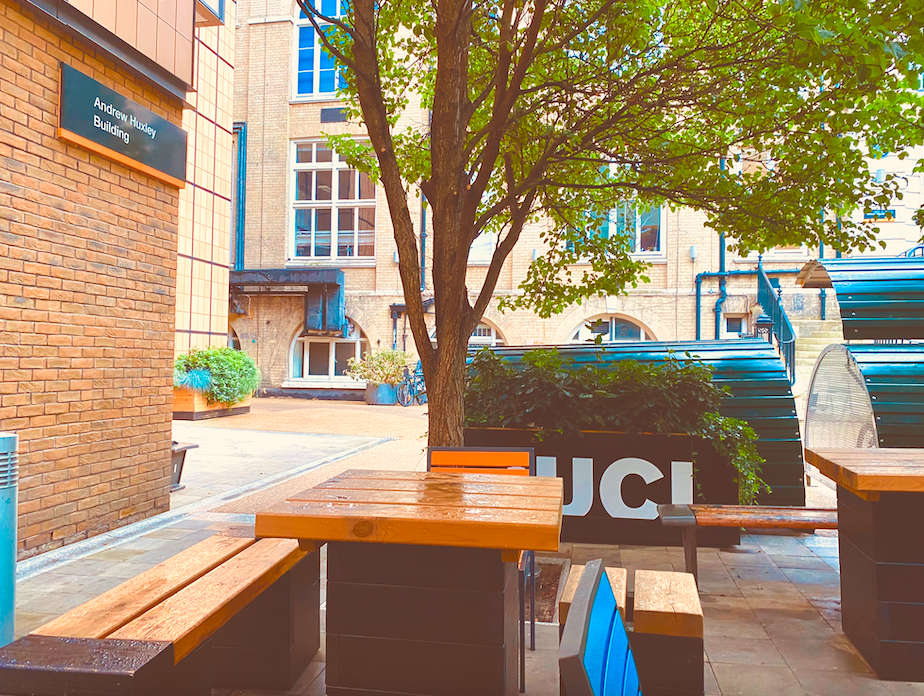
picked up my UCL Student ID Card just before term started.
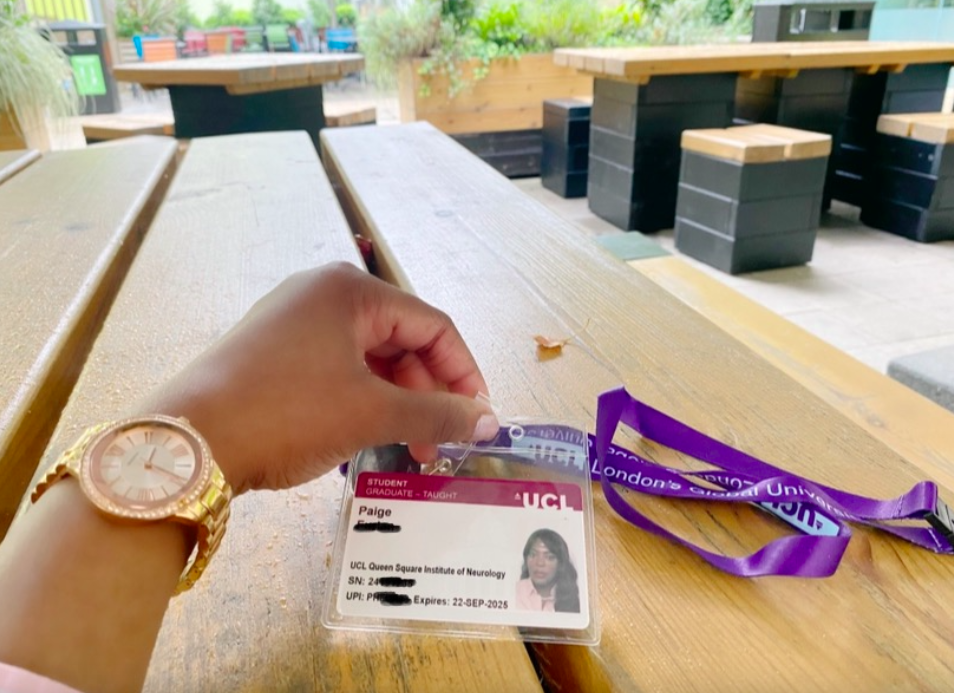
So, as of September of this year, I am now a UCL postgrad Masters student, studying MSc Clinical Neuroscience.
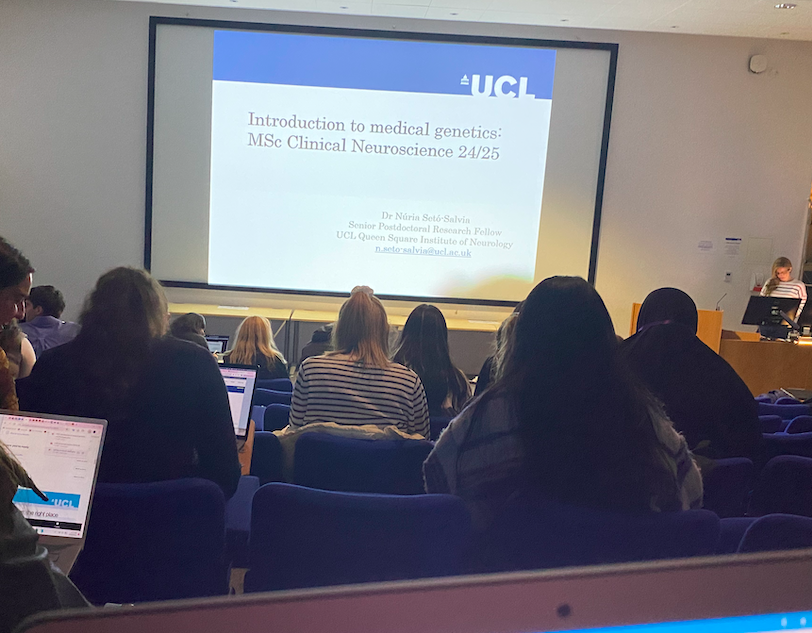
The course is full-time for 1 year and very intensive, but I am enjoying the challenge and grateful that I am a step towards my psych aspiration of becoming a clinical psychologist.

 Psych Aspirations 🧠Ψ📚
2 Comments Add yours